
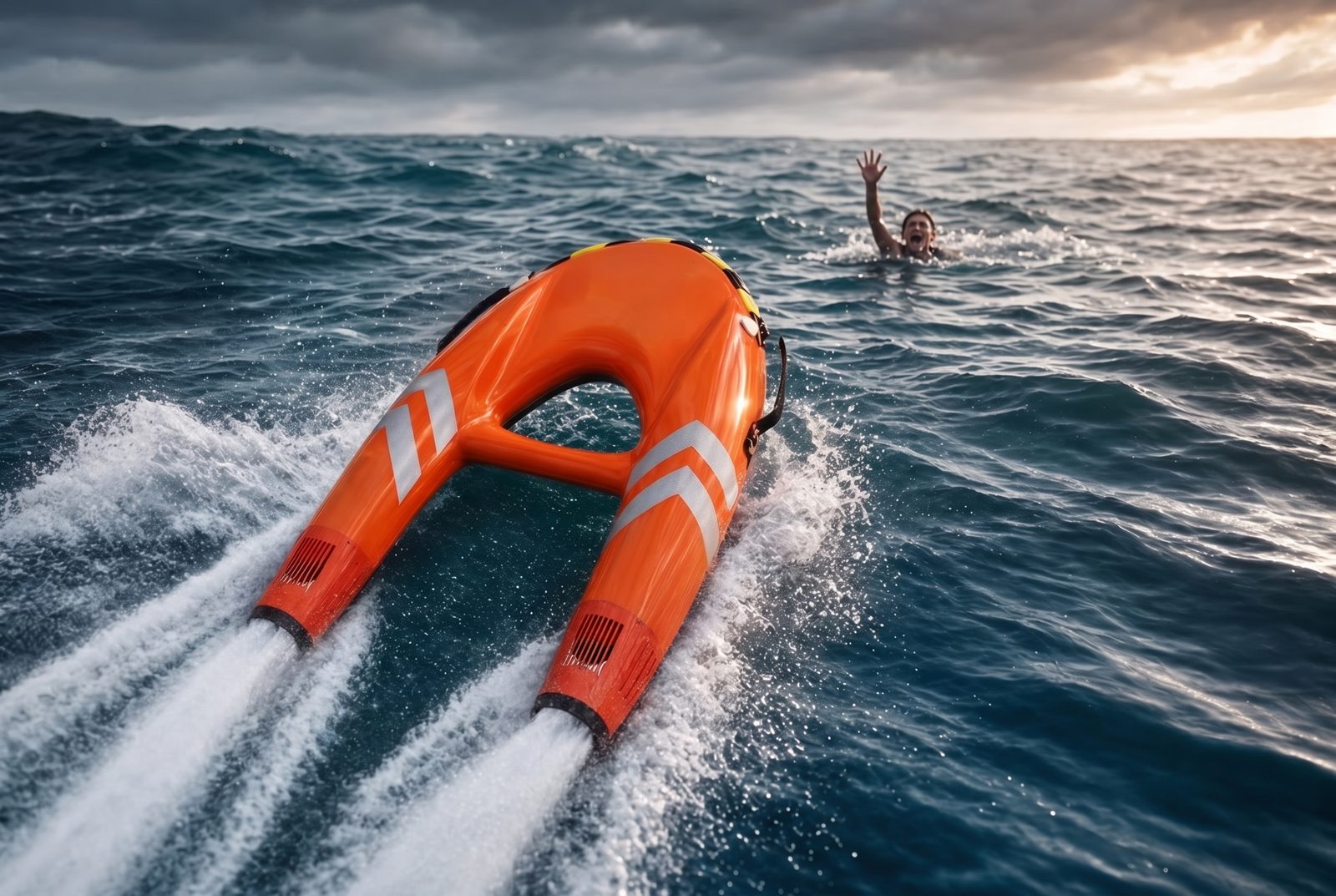
Reach a drowning swimmer in seconds. Without a rescuer in the water.
Remotely operated surface water rescue robot, available to buy now — reaches up to 18 km/h, rights itself within two seconds if capsized, and keeps working even if it flips over. Built for coastlines, ports, open water and flood response.

Faster than any swimmer. Safer than any rescue.
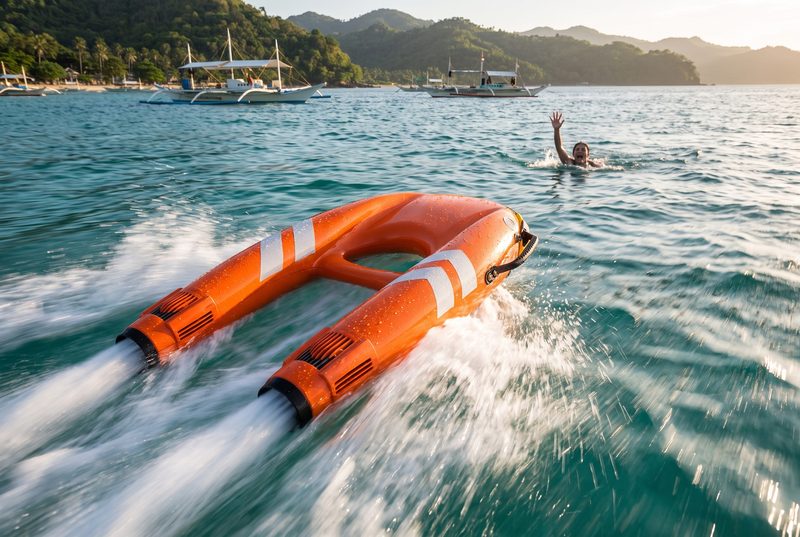
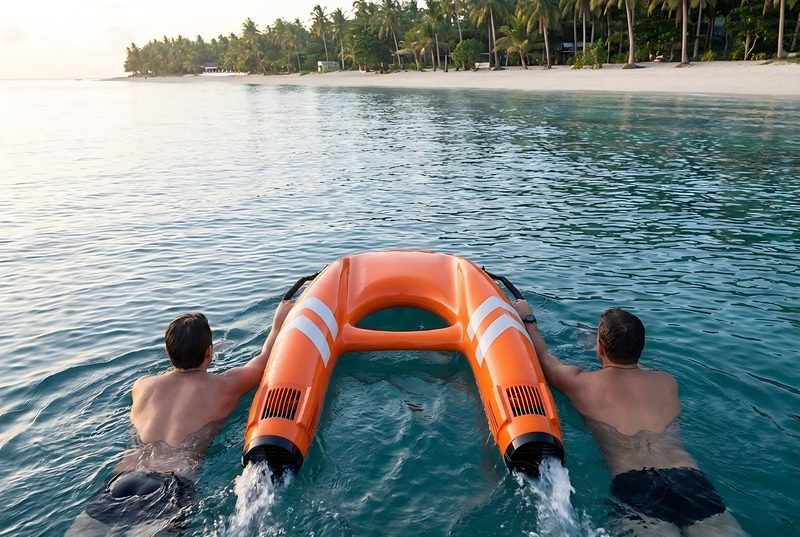
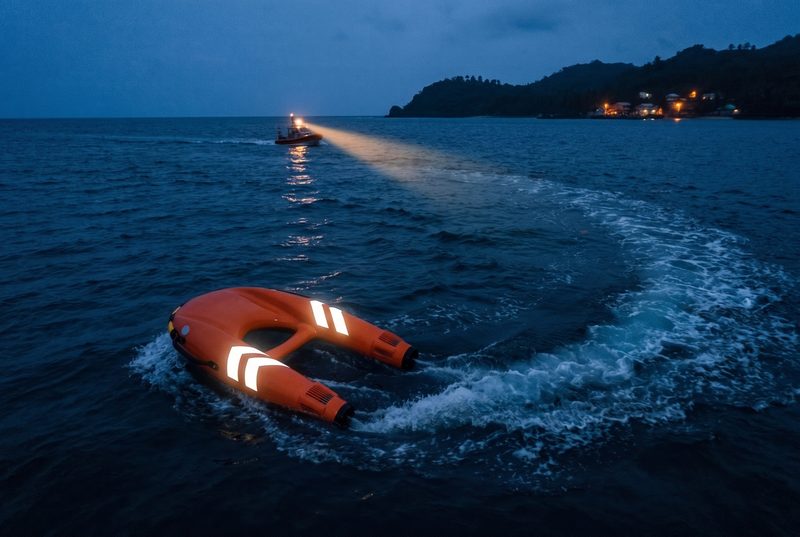
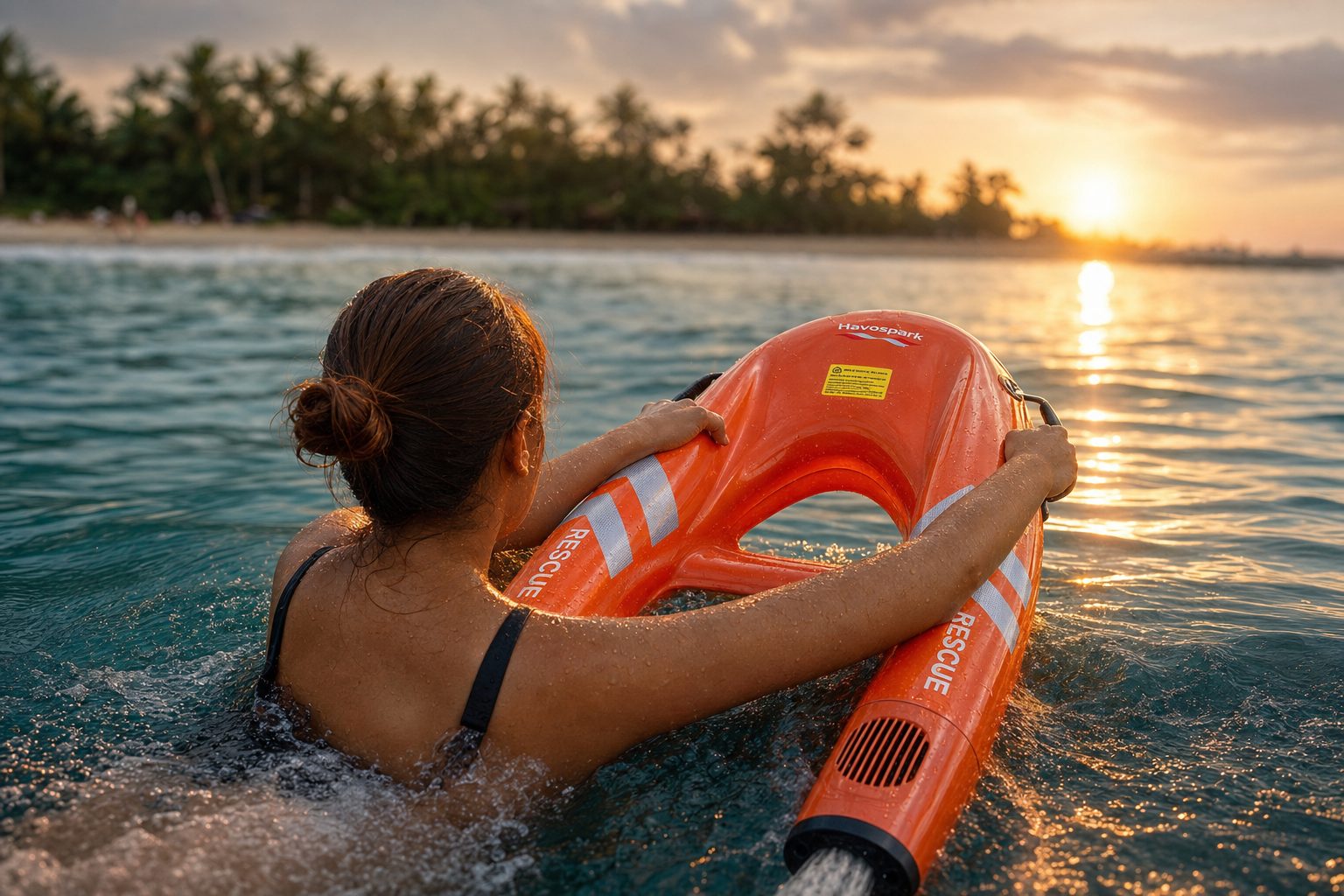
Activated on water contact, the unit reaches up to 18 km/h on its way to the casualty. Distressed swimmers grip the buoyant hull and are towed back to safety without a single rescuer entering the water.
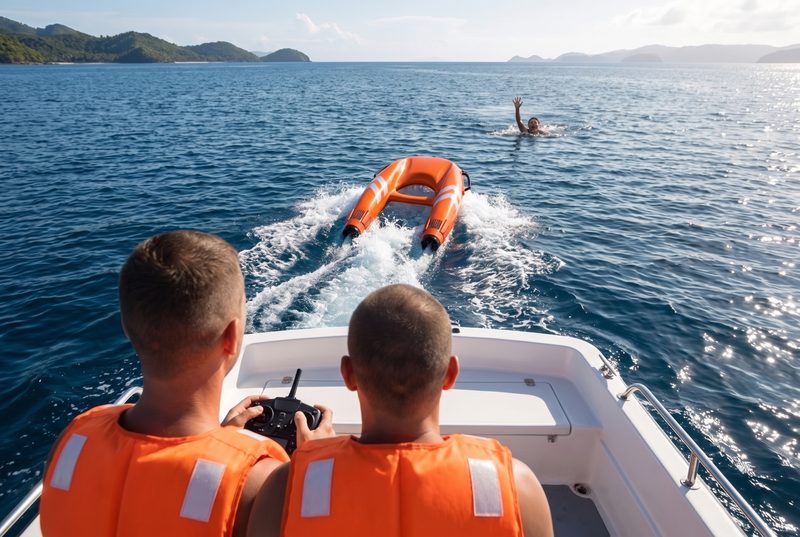
No rescuer in the water
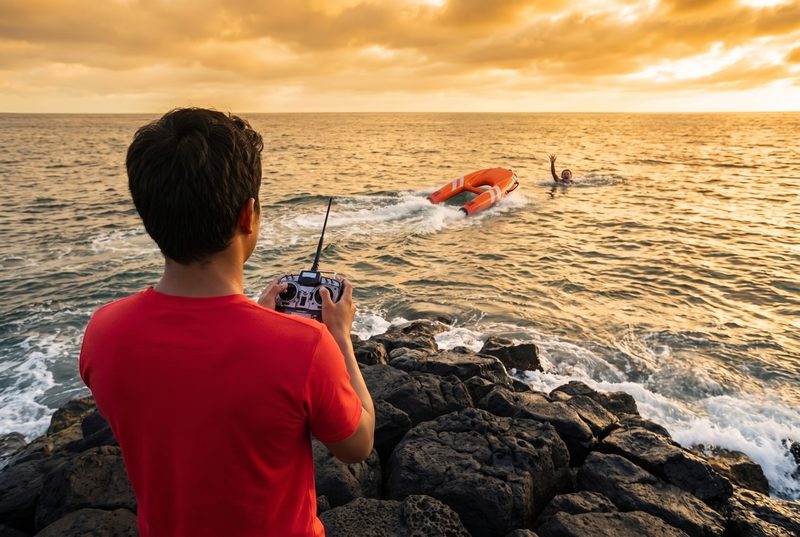
The unit reaches the casualty — the rescuer stays safe on shore or on the vessel. Zero risk of a secondary drowning.
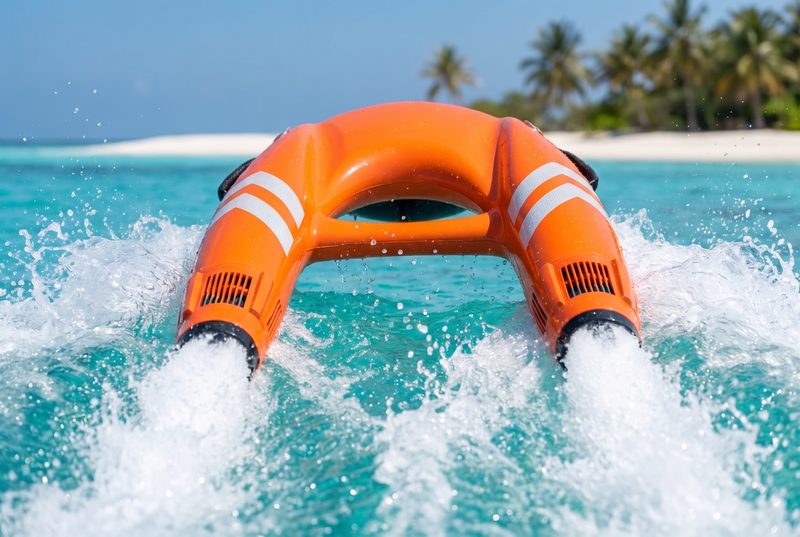
Up to 18 km/h
A top speed of up to 18 km/h gets the unit to the casualty quickly across open water.
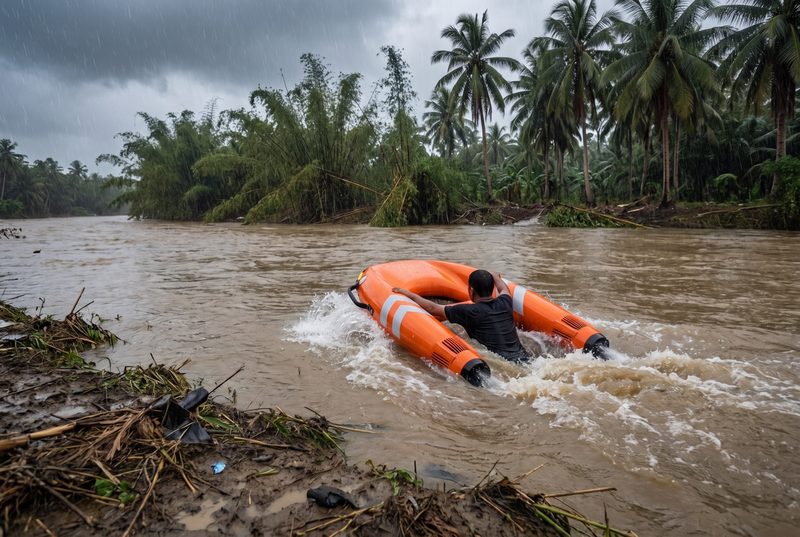
Up to 280 kg payload
Carries up to 280 kg — enough to support a swimmer being towed back to shore.
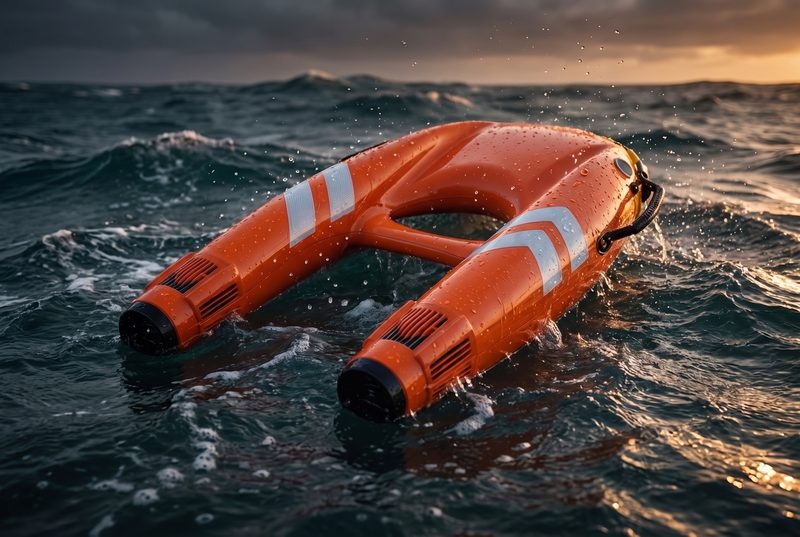
Self-rights in 2 seconds & dual-side operation
If capsized, the unit rights itself within two seconds — and keeps working even if it flips over, with no interruption to the mission.
Every body of water. Every rescue scenario.

Beach Resorts & Hospitality
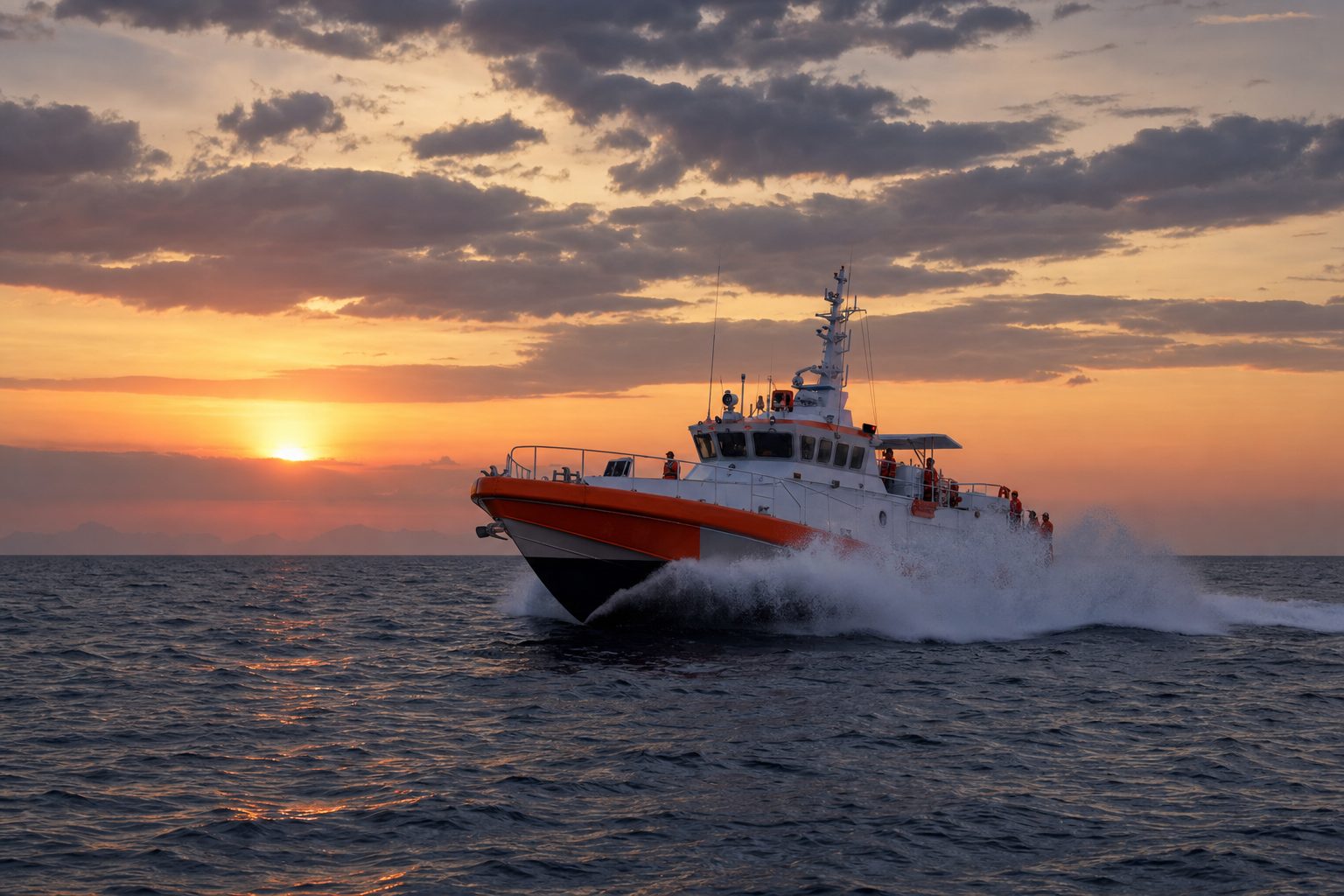
Coast Guard & Navy

Ports, Ferries & Harbors

Offshore Energy & Industrial
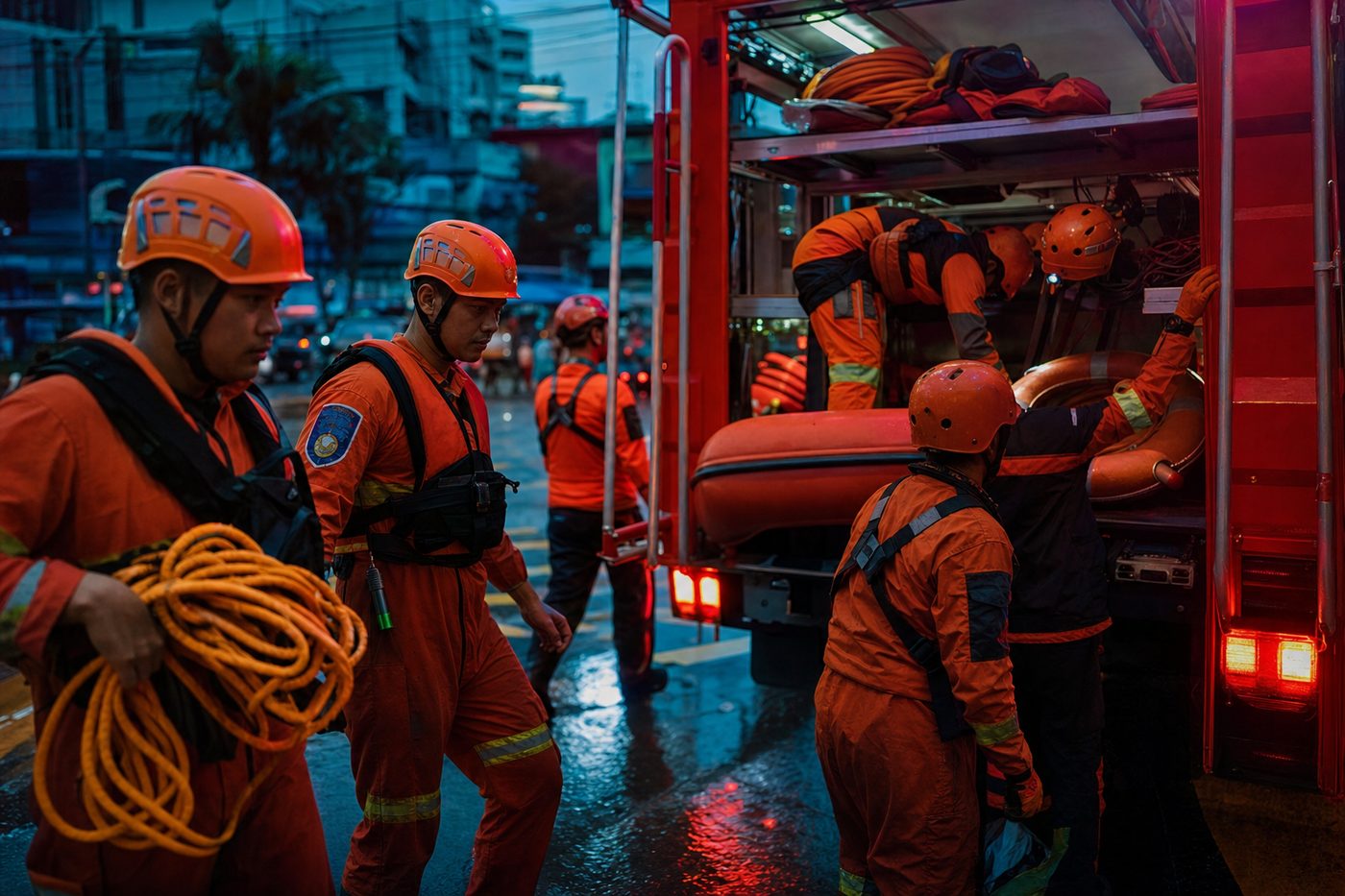
LGUs & Emergency Services
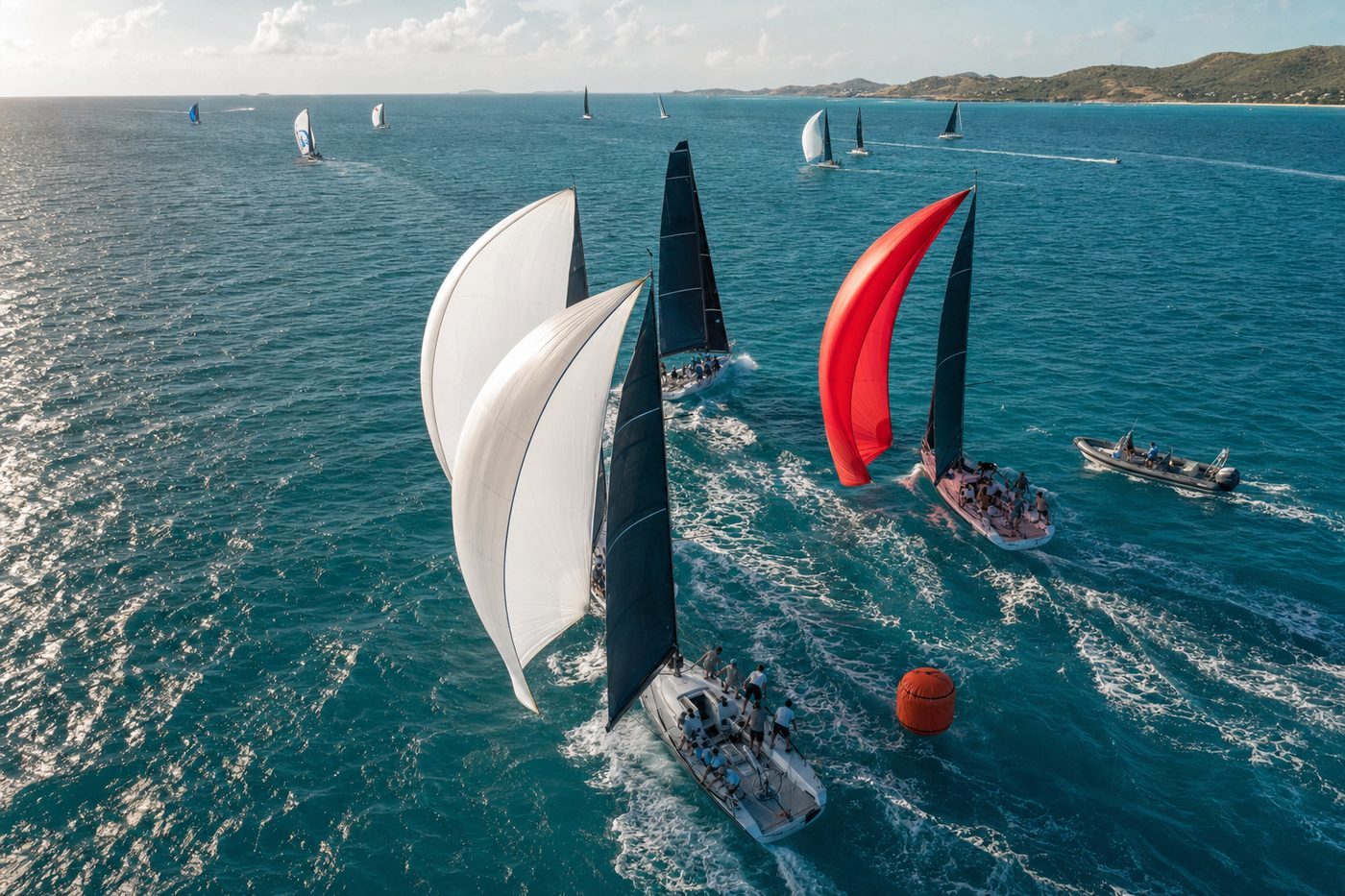
Open-Water Events & Regattas
Every second a swimmer struggles, the rescuer's risk doubles.
Traditional water rescue puts a second life in the water. Lifeguards, divers, and bystanders are pulled under by panicked swimmers every season.
A second life in the water
Every conventional rescue commits a rescuer to the same current, the same distance and the same panicked swimmer.
Distance and fatigue
Distance, fatigue, and currents compound the risk with every meter swum.
Line-of-sight coverage
Each guard covers only what they can see and reach on foot.
Boat-launch delay
Wading out or launching a craft costs the minutes that decide the outcome.
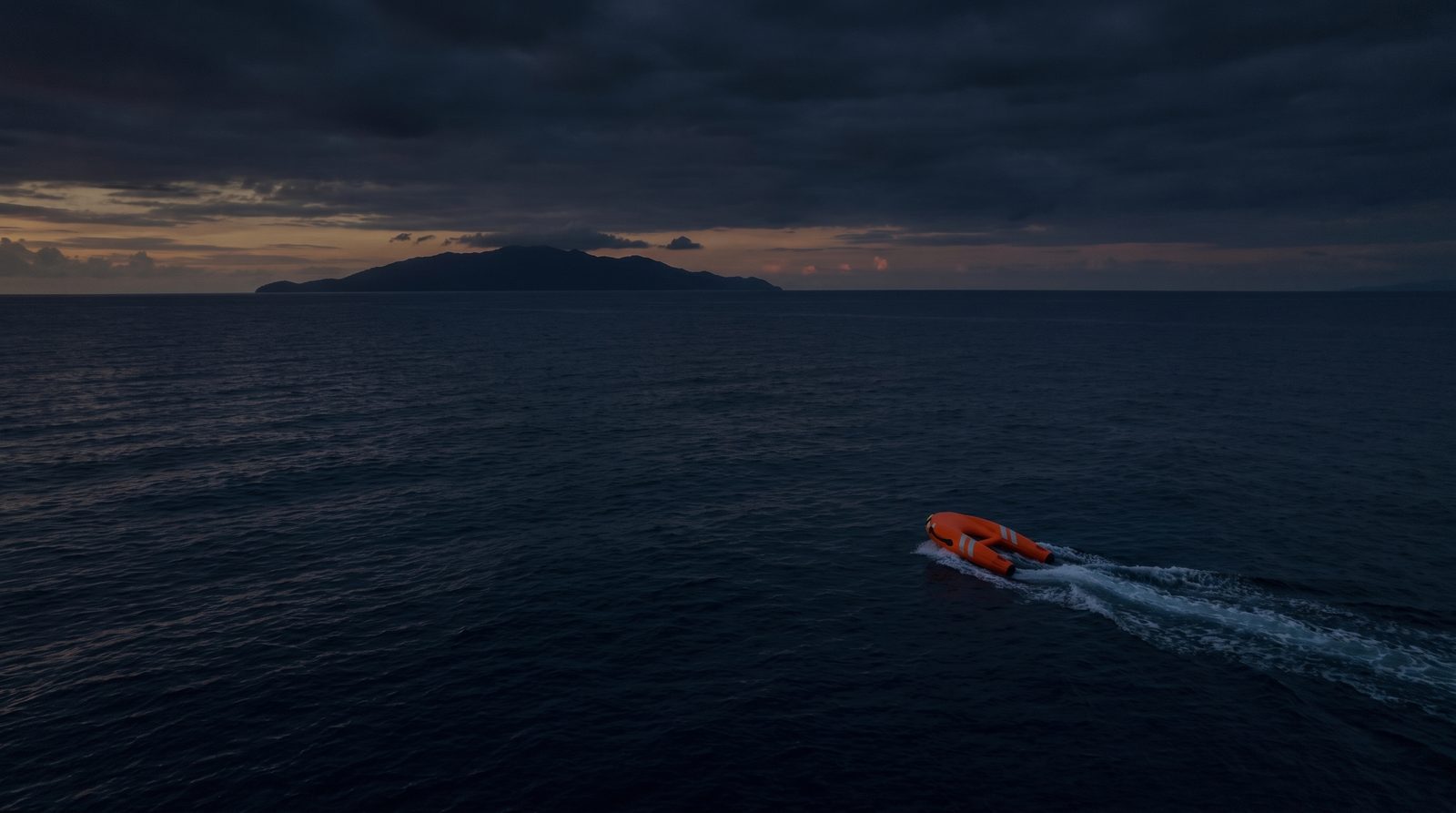
Built for open-water response.
Remotely operated surface rescue platform — engineered for the harshest conditions any rescue team will face.
Up to
On the swimmer fast.
Up to, per deployment
Rescuers in the water
Up to, from the operator
Runtime
Runs for up to 45 minutes on a single charge, covering extended search and rescue windows.
Up to 45 min per charge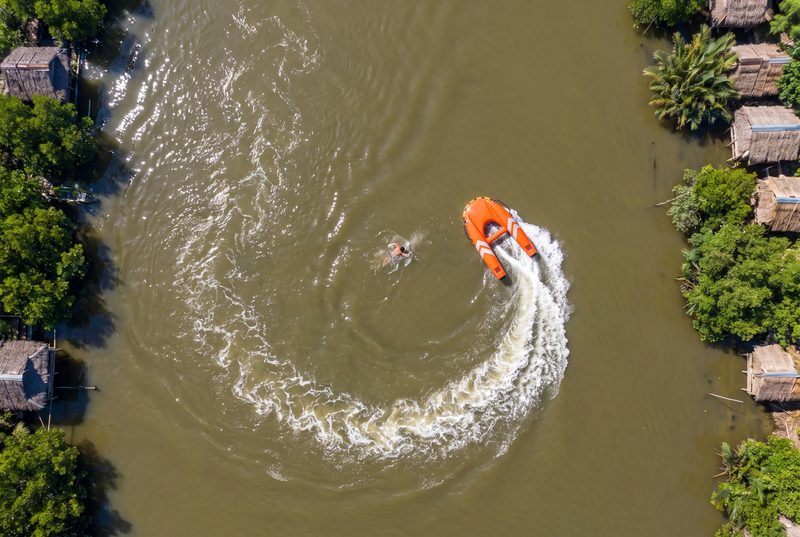
GPS positioning
GPS positioning with automatic course correction keeps the unit tracking toward the casualty.
Automatic course correction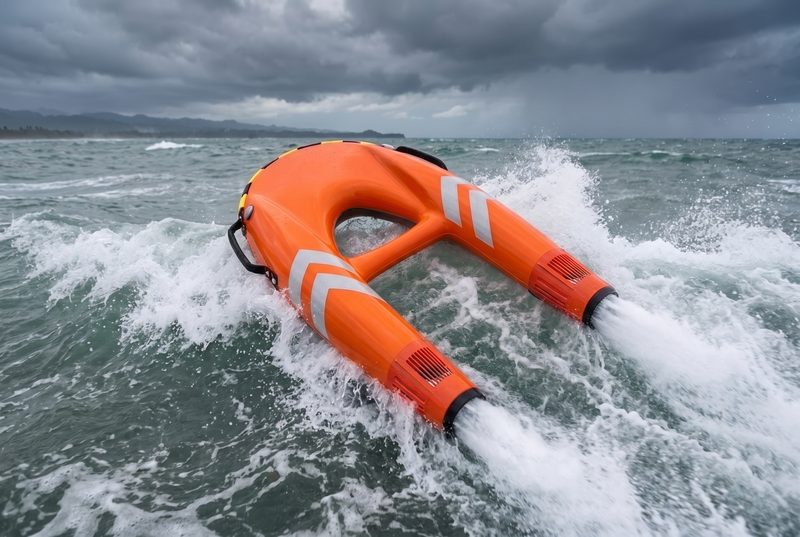
Dual-side operation
Keeps working if it flips over — no interruption to the mission.
Works either side up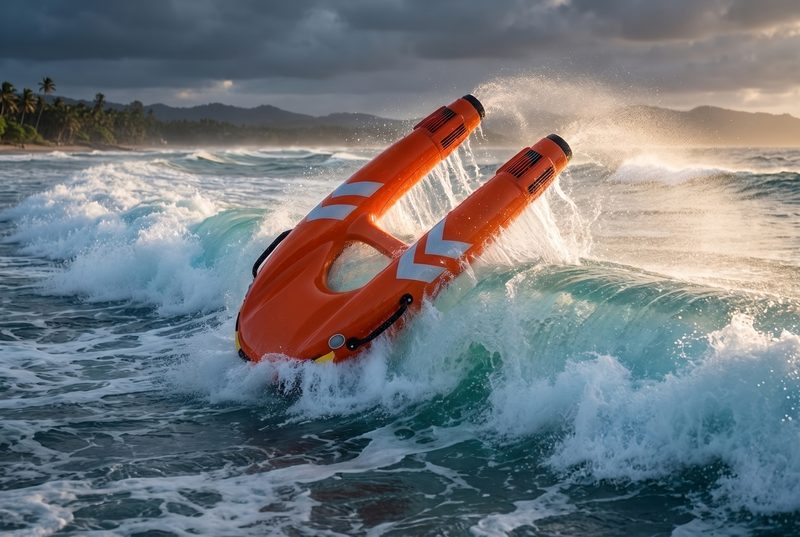
Self-righting
Rights itself within two seconds if capsized — back in the mission almost immediately.
2 seconds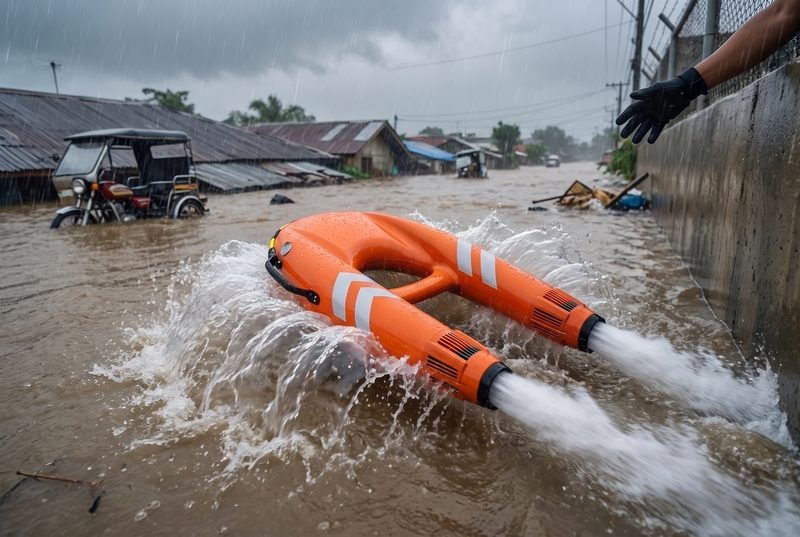
Activation on water contact
Instant power-up the moment the hull touches water — no boot sequence, no delay.
On water contactSkyline Water Rescue vs. traditional methods.
Built to a documented SOP.
Dual-control redundancy
Operator can switch between remote and local control at any time — no single point of failure. Manual override available throughout mission. The unit also rights itself within two seconds if capsized.
GPS positioning
GPS positioning with automatic course correction keeps the unit on track to the casualty.
Manufactured by an equipment partner
The rescue platform is manufactured by an equipment partner.
From alarm to rescue in under a minute.
Deploy
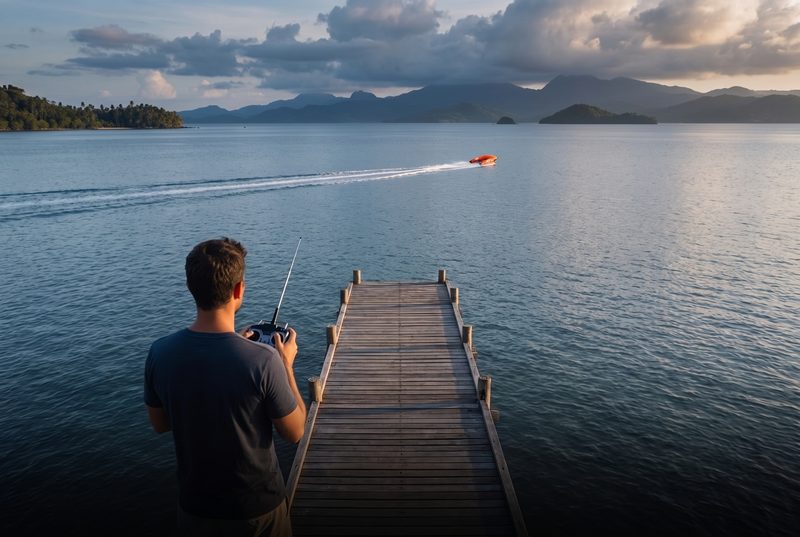
A lifeguard, dispatcher, or bystander spots the emergency — the buyer's operator launches the unit from shore, pier, or vessel, with instant activation on water contact.
Drive to the casualty
The operator pilots the unit at up to 18 km/h, with GPS positioning and automatic course correction holding its track to the casualty.
Swimmer grips the hull
The distressed swimmer grips the buoyant hull — no rescuer ever enters the water.
Tow back
The operator tows the swimmer back to shore or the vessel, completing the rescue.
Ready to add a water rescue unit to your coastline?
Contact us to buy — we'll walk you through the specs and how it fits your site.
Contact Us to Buy