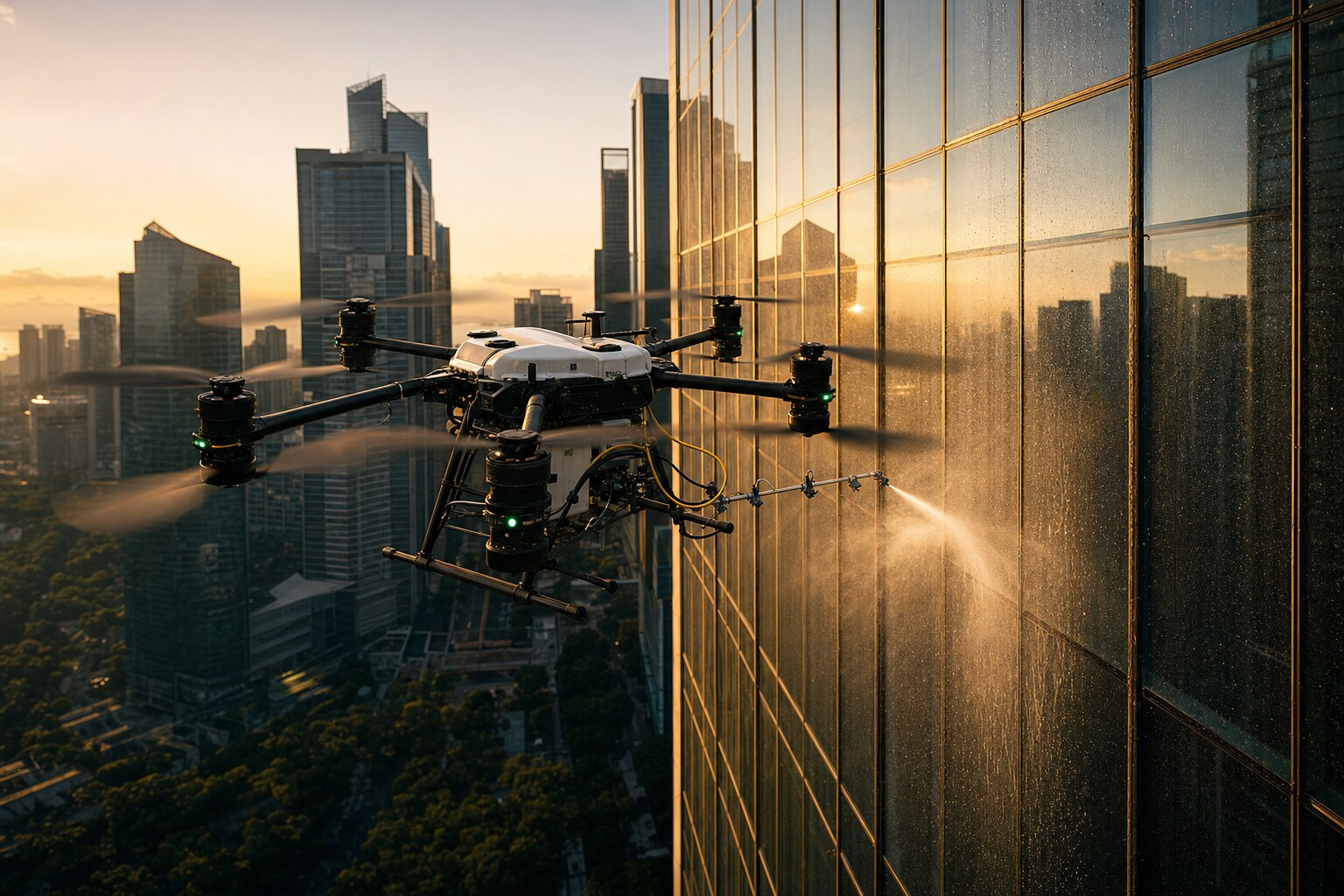
Building facade cleaning by drone in Metro Manila.
WITHOUT A SINGLE WORKER AT HEIGHT.
Autonomous drone cleaning for every surface — glass, cladding, concrete, stone, and metal — at any height up to 160 meters.
WITHOUT A SINGLE WORKER AT HEIGHT.
Autonomous drone cleaning for every surface — glass, cladding, concrete, stone, and metal — at any height up to 160 meters.
Who We Are
Drone facade cleaning is the washing of a building's exterior by a tethered or hose-fed drone instead of workers on ropes, gondolas or scaffolding. The aircraft holds position beside the facade with RTK satellite positioning and sprays deionized water at a pressure calibrated for the surface, so glass, stone, metal and concrete are cleaned without abrasives or chemicals. Skyline Drones is a CAAP-certified operator based in Metro Manila that cleans buildings this way up to 160 meters, roughly 55 stories. A crew sets up in under an hour, cleans 1,000 to 2,000 square meters per hour, and finishes a typical 20-story tower in two to four days rather than the three to four weeks a rope-access team needs. No worker leaves the ground, no scaffold blocks the entrance, and every job closes with a completion report.
We deploy autonomous cleaning drones to wash, maintain, and restore building facades for owners and facility managers who want the work done faster, safer, and with less disruption to tenants.
Our fleet of commercial-grade cleaning drones services high-rises, hotels, government buildings, industrial facilities, and public infrastructure — delivering a faster, safer, and more cost-effective alternative to traditional rope-access and scaffolding methods.
Whether it's a 5-story office or a 55-story tower, Skyline Drones provides full-facade coverage at a fraction of the time and cost — with zero human risk.
Areas We Serve
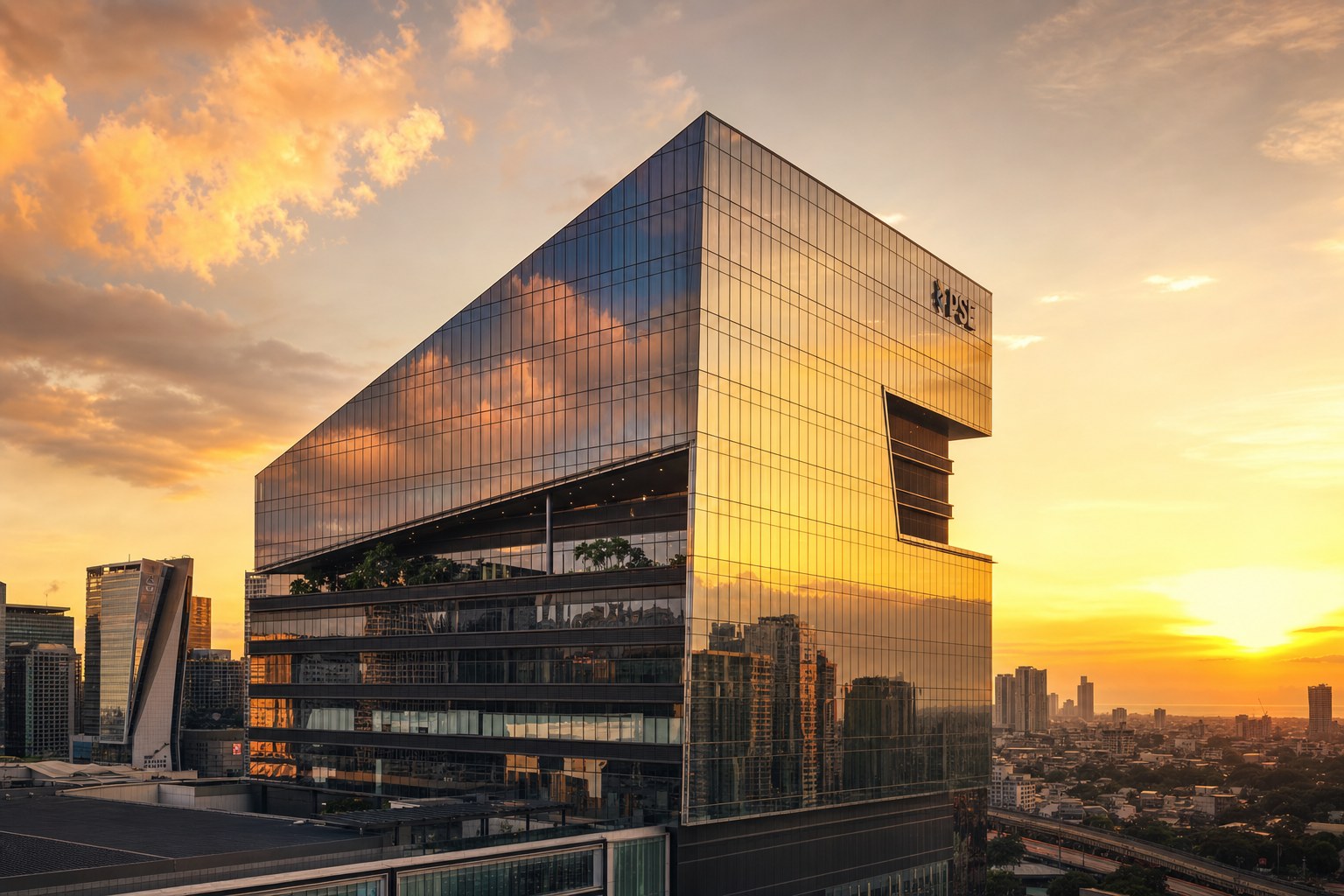
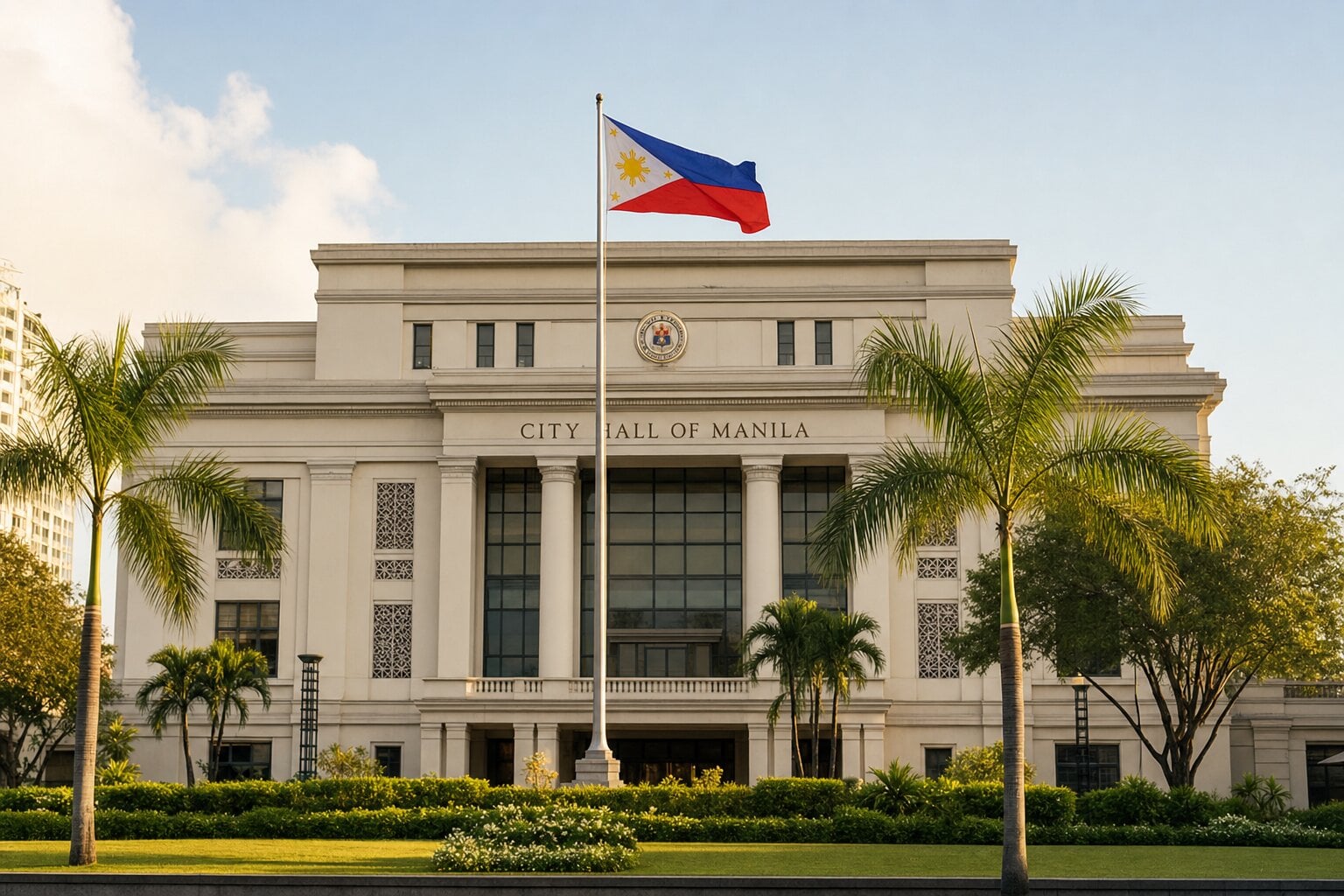
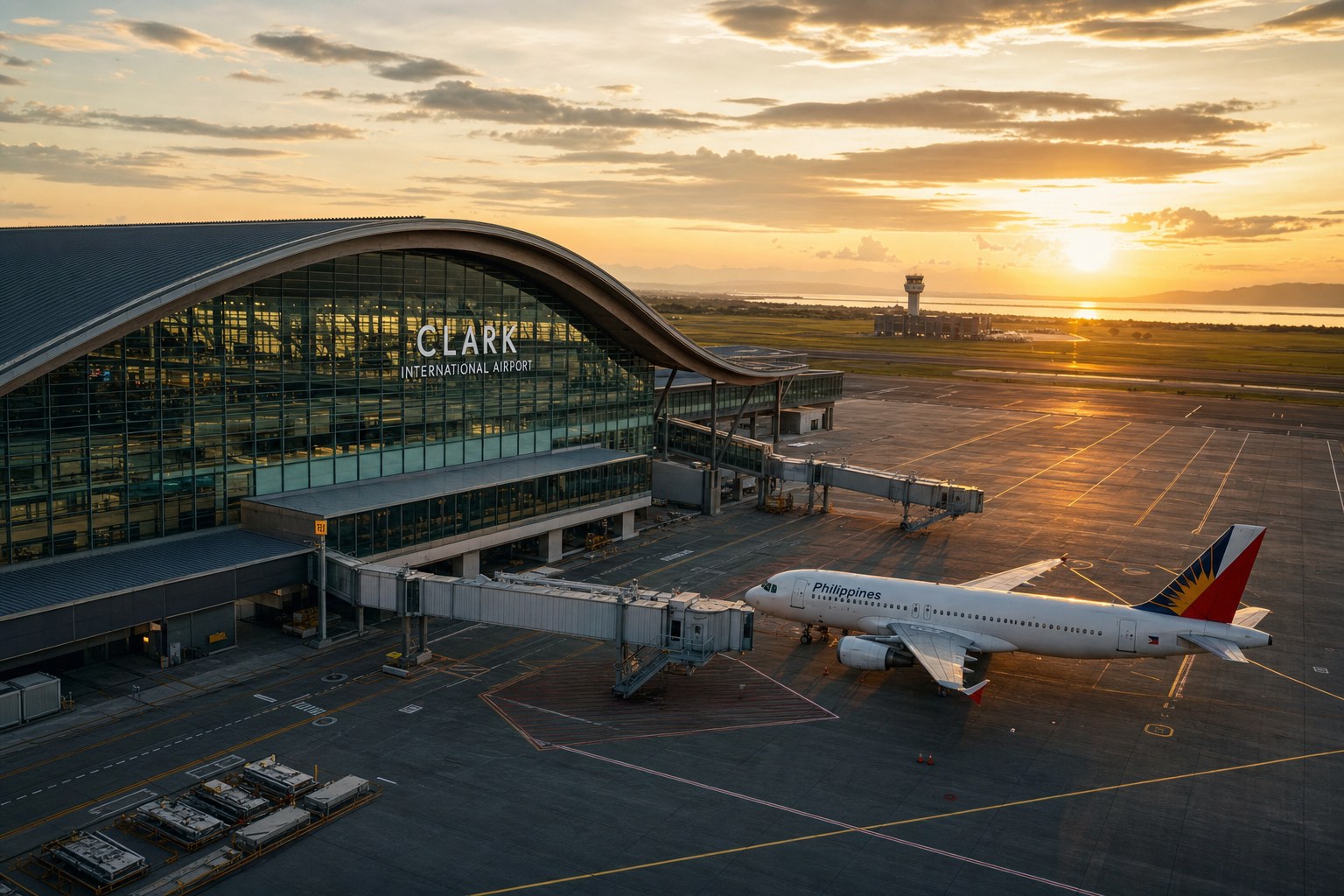
Skyline Drones is based in Metro Manila and mobilizes across the capital region without a travel surcharge: the office towers of Makati and Bonifacio Global City, the Ortigas business district in Pasig, Quezon City, the City of Manila, Mandaluyong and Alabang. Airport-zone and port sites in Parañaque and Pasay are flown under the additional airspace coordination those areas require.
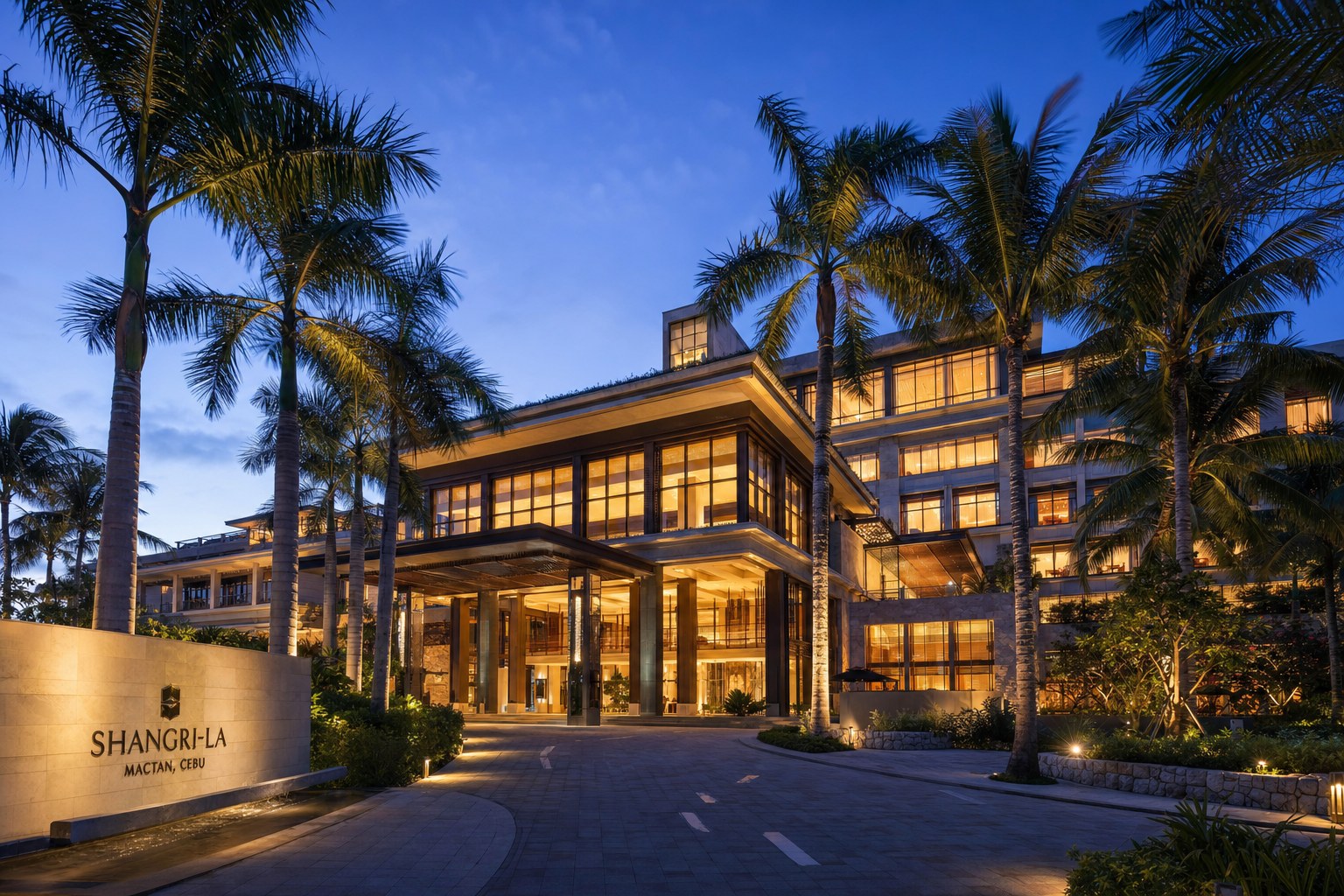
Outside the capital we take on jobs in Clark, Cebu and Davao and on industrial sites nationwide. Provincial mobilization is quoted as part of the fixed fee, so there are no surprises on the invoice. Ask us about any building in the Philippines with a photo and an address.
Who We Serve
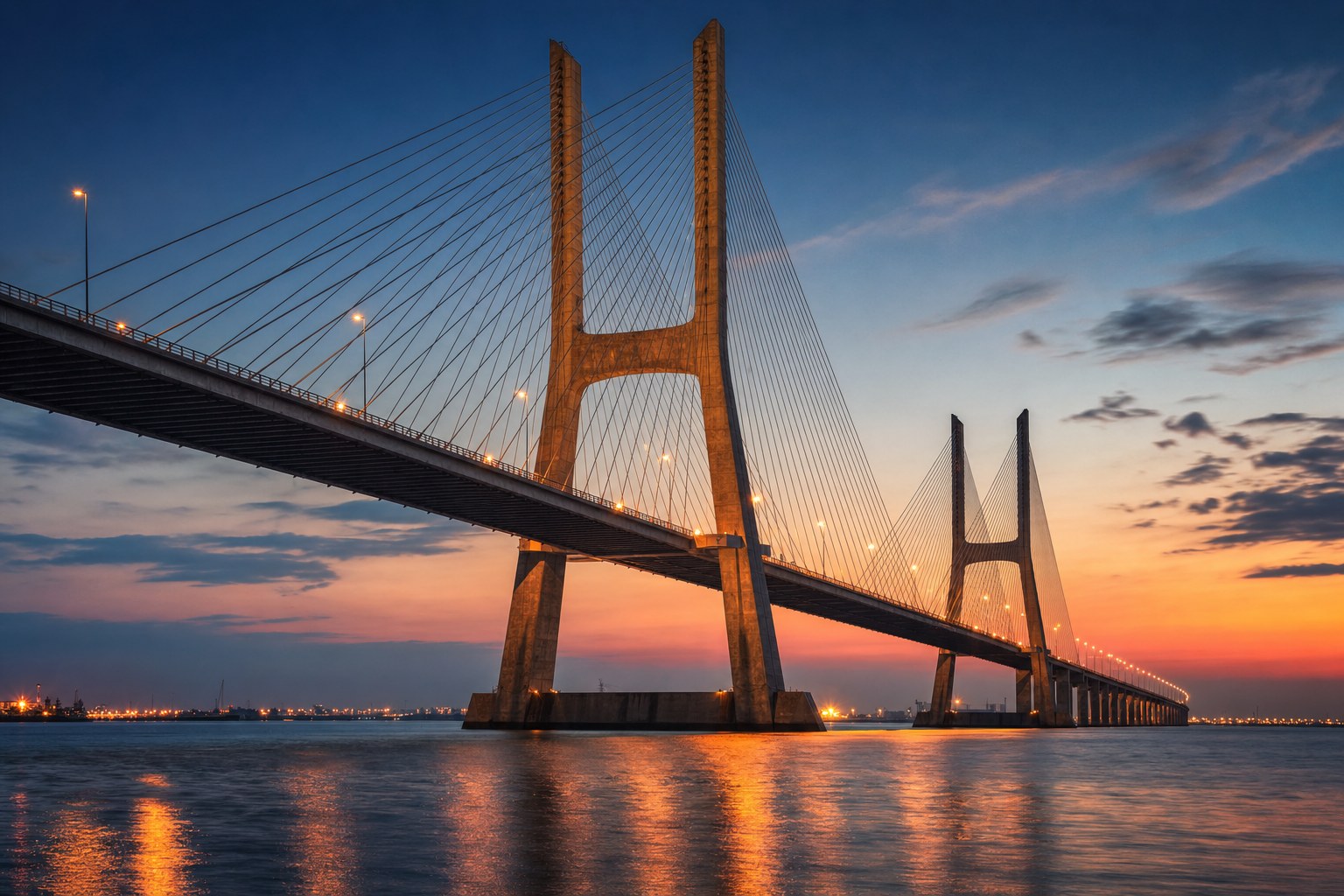
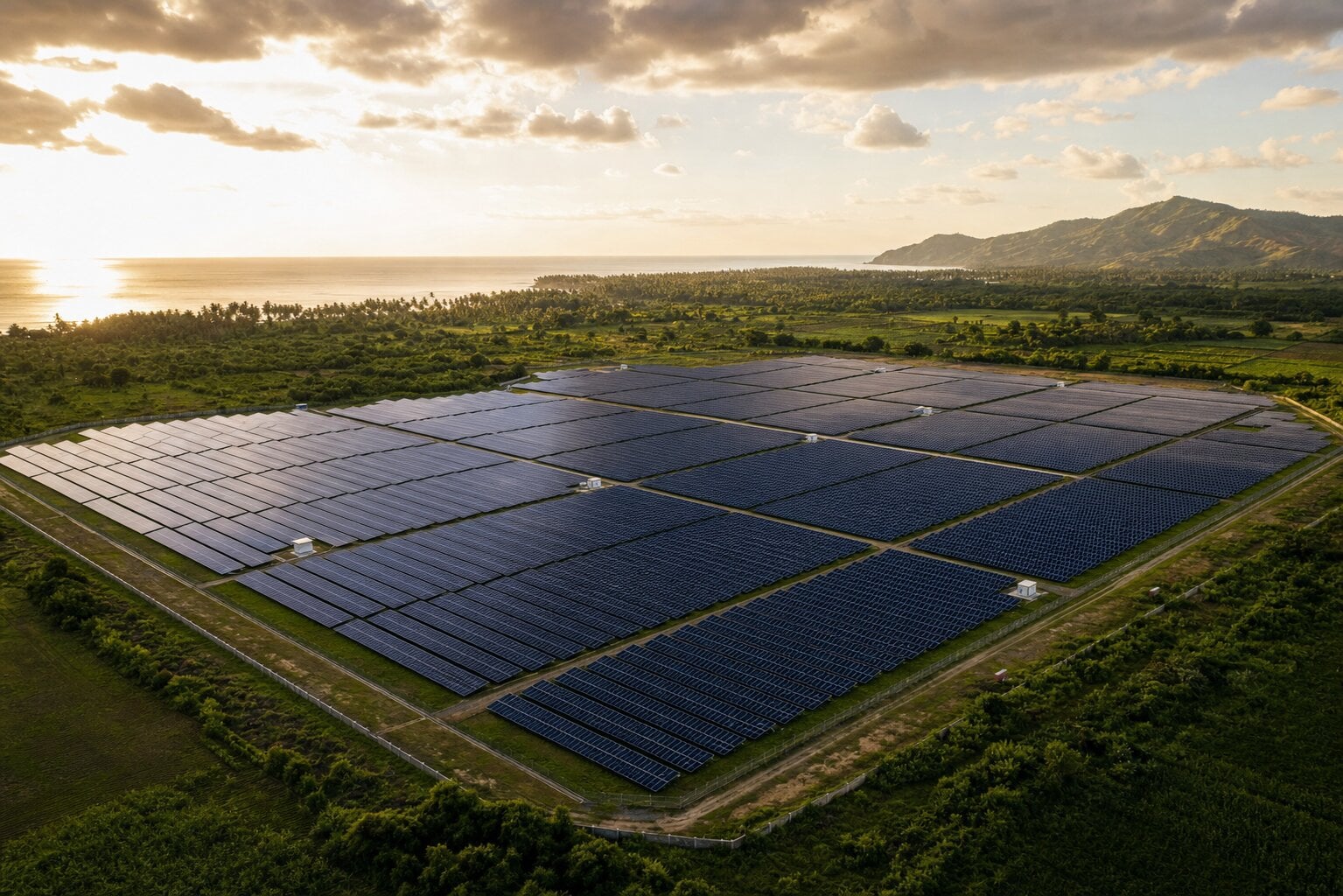
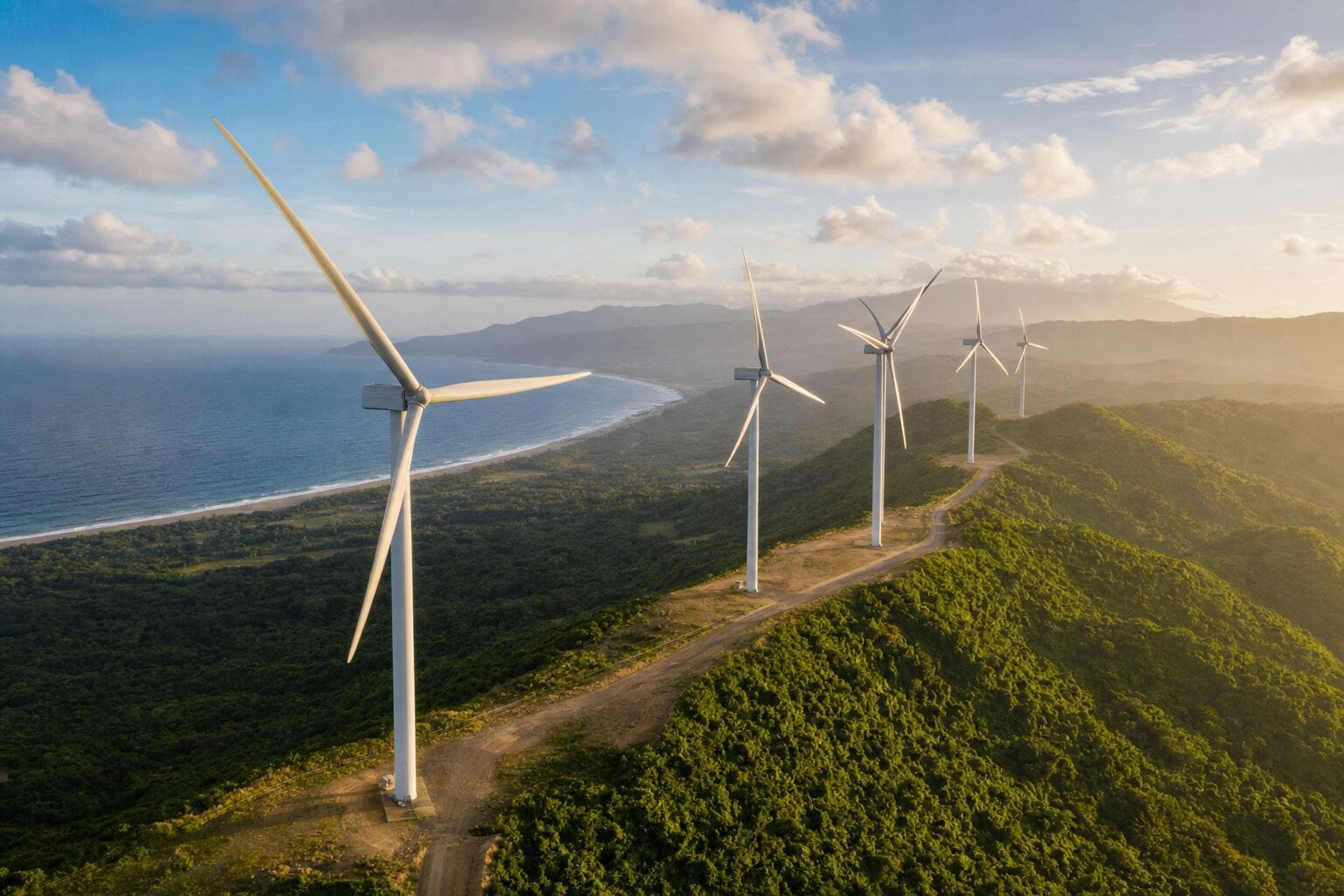
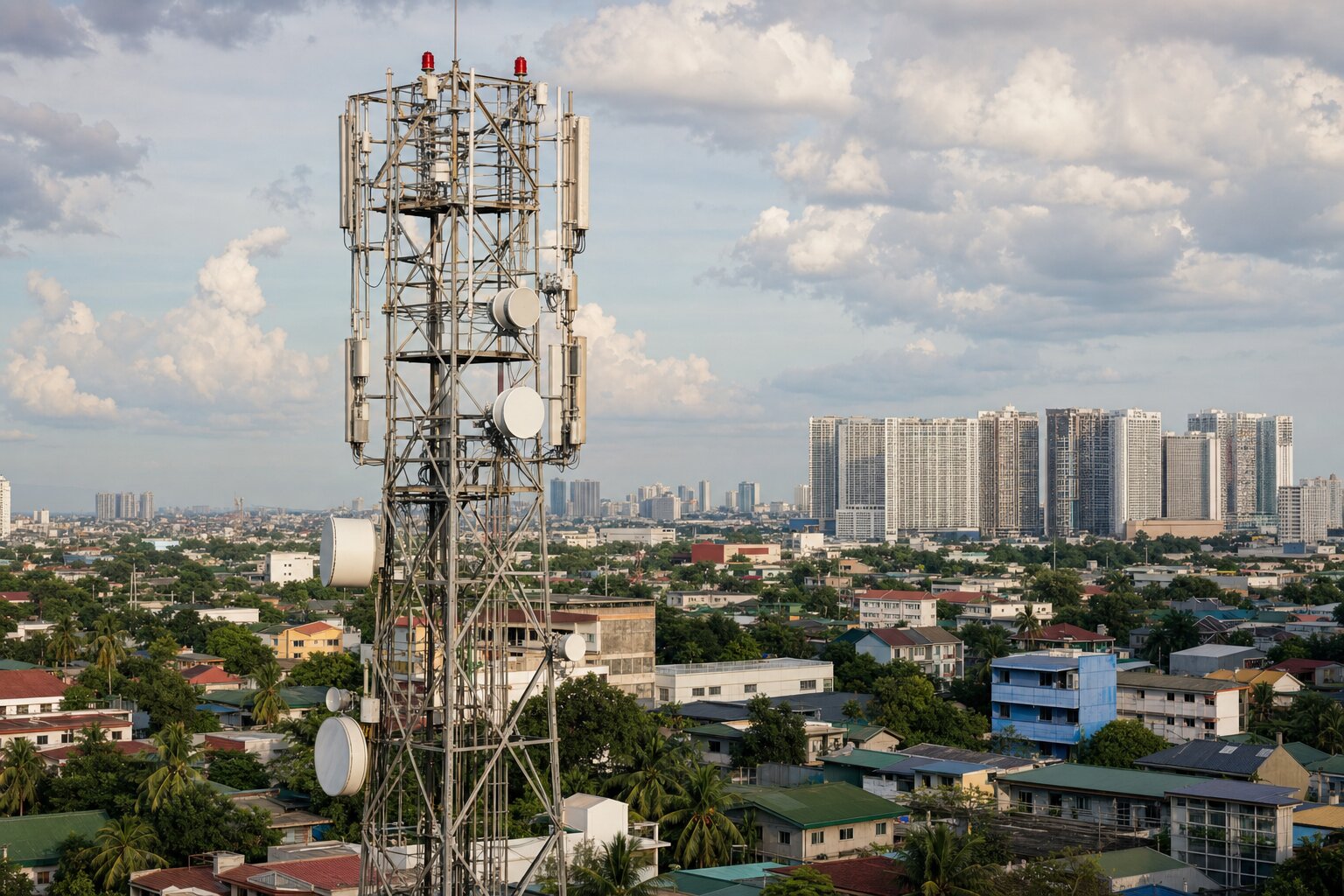
The Problem
Rope-access and scaffolding crews work at extreme heights daily — exposing building owners and facility managers to significant liability, insurance premiums, and regulatory risk with every engagement.
Traditional facade cleaning requires scaffolding, cranes, boom lifts, or rope-access teams — all of which demand extensive setup, specialized labor, and premium insurance. The result: inflated costs that strain maintenance budgets.
Scaffolding installations block entrances, obstruct signage, disrupt tenants, and take weeks to erect and dismantle — causing prolonged disruption to building operations and tenant experience.
How It Works
Review specs, facade materials & access needs
Airspace clearance & ground perimeter setup
30–60 min setup. No scaffolding or cranes
Pre-programmed flight, fully monitored by licensed RPIC pilots
Final report and photos delivered to the client
Why Skyline Wins
| Skyline Drones | Traditional Methods | |
|---|---|---|
| Facade Types | All surfaces — glass, cladding, concrete, stone & metal | Glass & accessible surfaces only |
| Worker Safety | No workers at height — ever | High daily risk exposure |
| Setup Time | 30 min – 1 hour | Days to weeks of scaffolding |
| Speed | 1,000 – 2,000 sqm / hour | ~100 sqm / hour |
| Disruption | None — access maintained | Blocked entrances, weeks of scaffolding |
| Insurance Liability | Minimal — fully autonomous | Very high — workers at risk |
| Max Height | 160 meters / 55 stories | Limited by rope & scaffold |
Safety & Compliance
All pilots hold commercial certifications with documented SOPs and pre-flight checklists for every engagement.
Full third-party liability coverage on every engagement — protecting your building, tenants, and the public.
Geofencing, no-fly buffers, emergency parachutes, auto-land protocols, and blade guards — engineered for dense urban environments.
Civil aviation compliance, airspace coordination, and all permits handled by Skyline — so you don't have to.
Questions Building Owners Ask
Drone facade cleaning eliminates the entire rope-access category. There are no workers at height, no rigging, no permits to suspend workers off the roof, and no scaffold setup or breakdown. A drone-cleaning crew typically completes a high-rise facade in one-tenth the time of a rope-access team, with zero exposure to falls. For most buildings above 30 meters, drone cleaning is the modern alternative to rope access in the Philippines.
Pricing depends on building height, facade material, surface area, and access conditions. As a rule of thumb, drone facade cleaning typically matches or beats rope-access pricing on jobs above 30 meters — because the labor, scaffolding, and insurance overheads of working at height are eliminated. We provide a fixed-fee quote within 48 hours of a building photo and address. See what drives the price.
Yes. Our drones use deionized water with software-controlled spray pressure calibrated for each surface — glass, aluminum composite, stone, terracotta, and stucco. There is no abrasive scrubbing, no chemicals that etch glass coatings, and no risk of seal damage from pressurised rope-access washing. Deionized water dries streak-free with no residue.
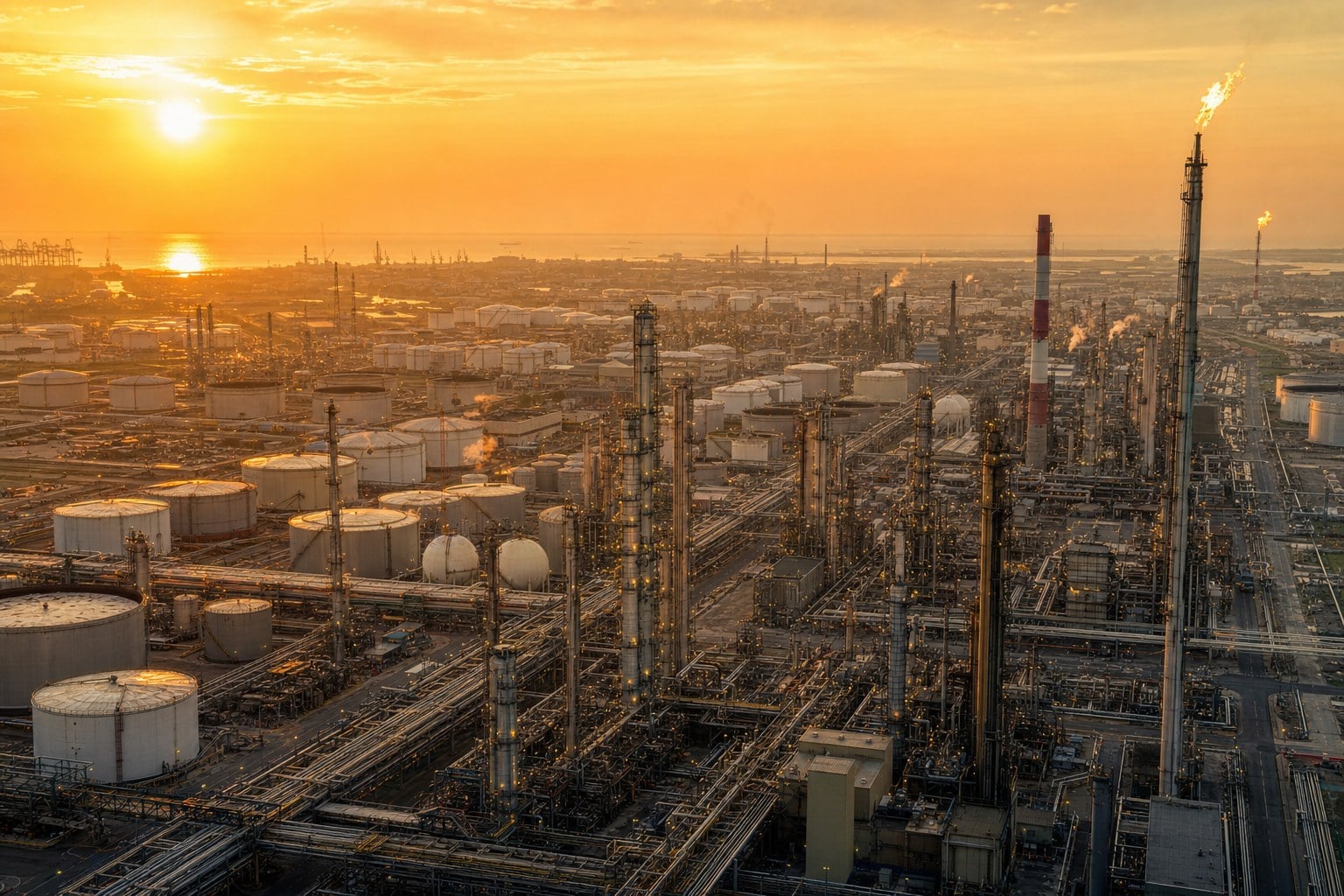
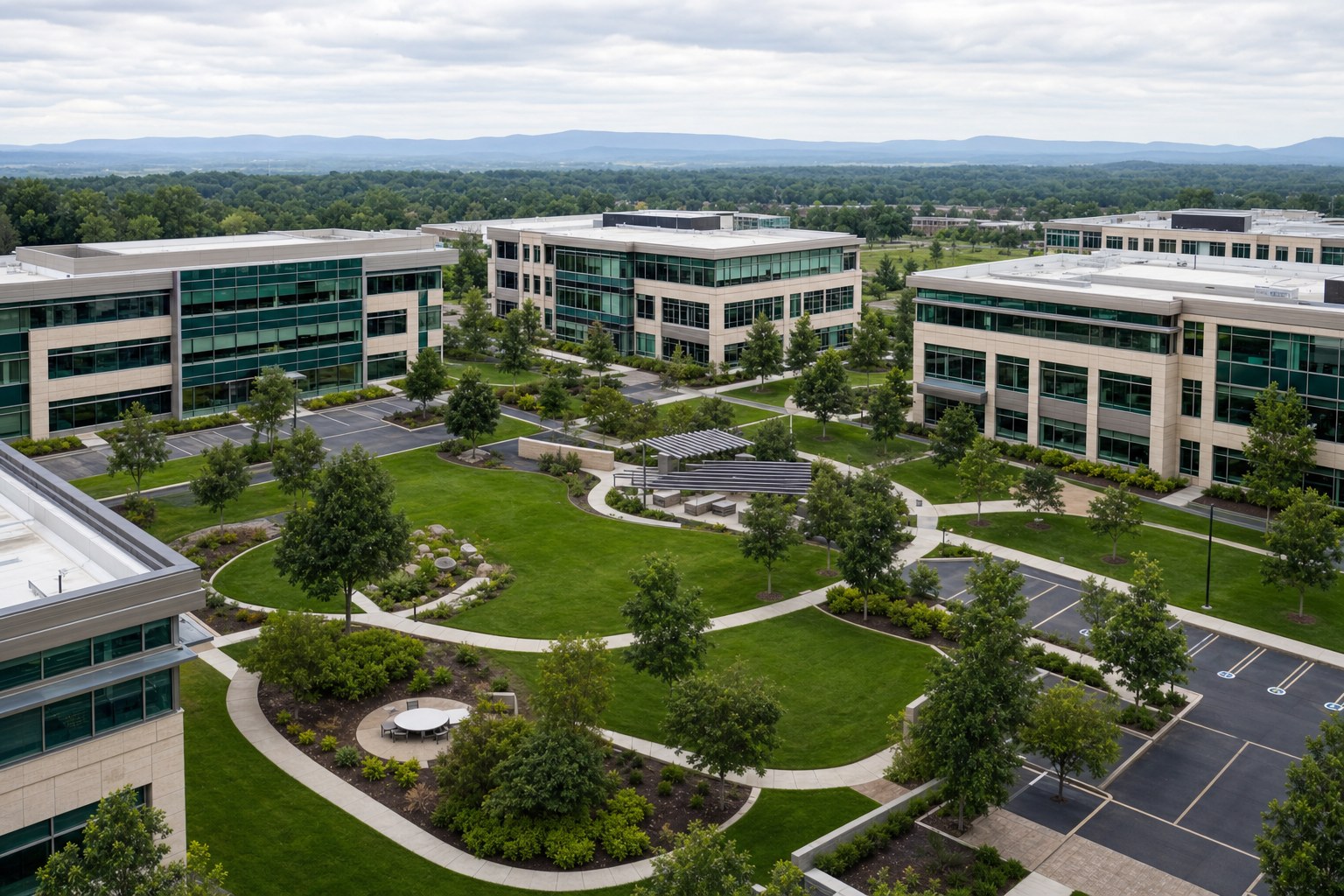
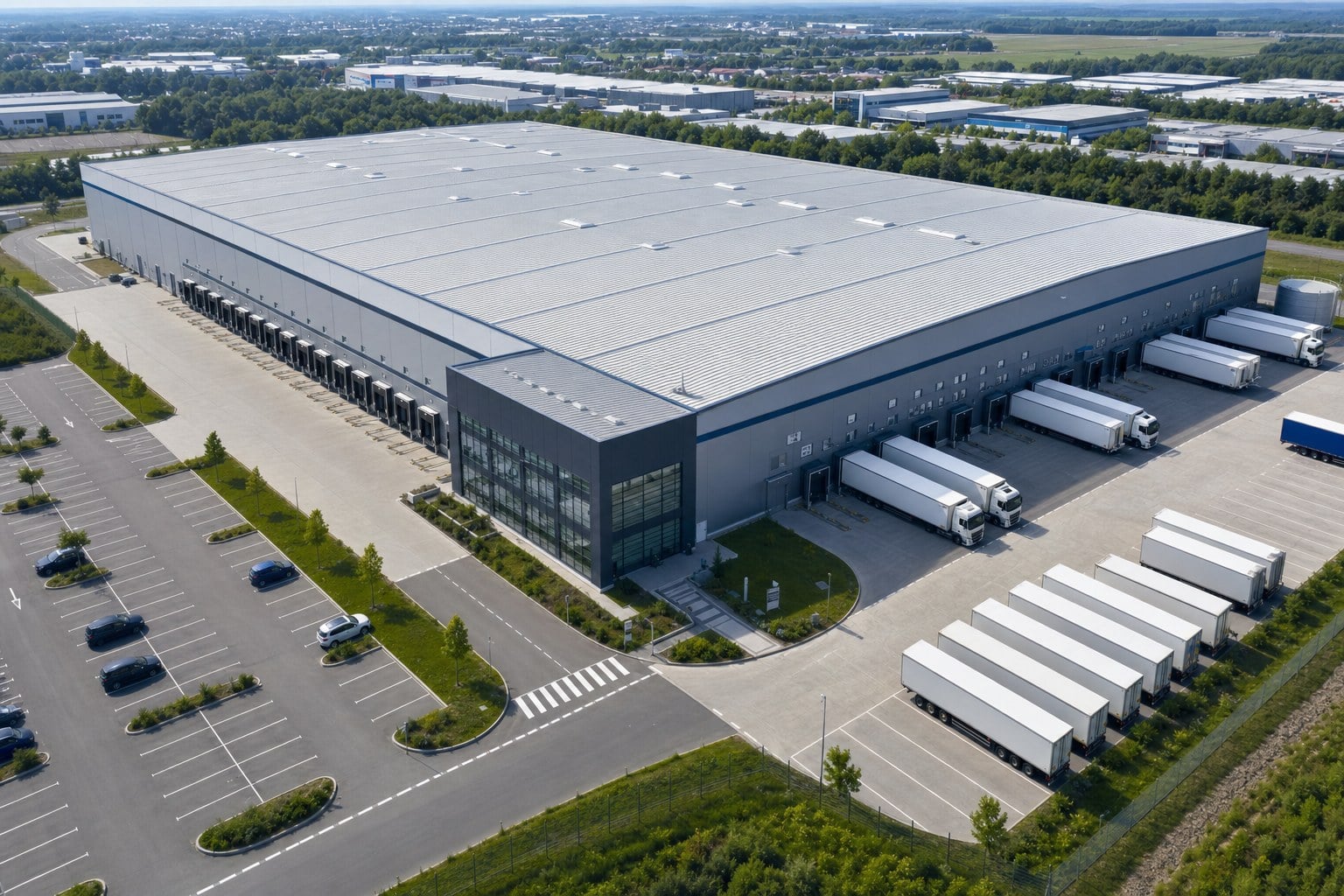
Skyline cleans high-rise commercial towers, hotels, condominiums, hospitals, malls, government buildings, airport facades, oil and gas facilities, and industrial warehouses across Metro Manila — BGC, Makati, Ortigas, Quezon City, Pasig, Pasay, Mandaluyong, Alabang — and on contract anywhere in the Philippines. Operating ceiling: 160 meters.
Yes — Skyline is the scaffolding alternative. We use autonomous rotor-driven cleaning drones that fly to the facade, spray deionized water, and return to base. No scaffolding rental, no permits to occupy sidewalks, no multi-week setup. A typical commercial tower is operational again the same day the cleaning starts.
Yes. All Skyline pilots are CAAP-certified (Civil Aviation Authority of the Philippines) Remote Pilots, fully insured, and operating under valid commercial drone permits. We submit flight permits and risk assessments for every job and carry public-liability cover at every site.
A 20-story commercial tower (approximately 8,000 m² of facade) takes a Skyline drone crew 2–4 days end-to-end, depending on weather windows. The same job by rope access typically takes 3–4 weeks. Skyline crews can also operate after-hours and on weekends to minimize tenant disruption.
Yes. Hotel facade cleaning is a Skyline specialty. Our drones operate quietly relative to high-pressure rope-access washers, and we can schedule flights during low-occupancy windows — typically mornings between 9 AM and noon. There is no scaffolding to obstruct views, no harnessed workers passing guest windows, and no extended occupancy of the building exterior.
Drone facade cleaning is faster, safer, and matches or beats rope-access pricing on Philippine high-rises above 30 meters. Drones eliminate workers at height, finish in one-tenth the time (1,000–2,000 sqm/hour vs 80–150 sqm/hour per abseiler), need only 30 minutes of setup vs 1–3 days of rigging, and reach 160 meters. Rope access is still useful for short-duration repair work, but for routine facade cleaning the drone replaces the entire category.
Scaffolding requires 1–3 weeks of erection, LGU permits, blocked sidewalks, and 3–7 days of dismantling — a 20-story tower takes 6–10 weeks end-to-end. Skyline drones complete the same building in 2–4 days with zero pedestrian disruption, no permits for working at height, and no structural anchors on the facade. Scaffolding still makes sense for low-rise restoration projects requiring heavy surface work, but for cleaning it is the slowest and most expensive option.
Drone cleaning works on every Philippine building, while a gondola (Building Maintenance Unit) only works if your tower already has a certified, recently-inspected BMU. BMU recertification costs PHP 80,000–250,000 every 12 months and many Philippine buildings have failed inspections. Drones avoid this entirely — no roof equipment, no operator certification per building, full reach into recessed facades, and 3–5× faster cleaning speed than a gondola.
Traditional building cleaning in the Philippines combines rope access, scaffolding, gondolas, and ground-level pole washing — all labor-intensive and capped at low elevations or limited reach. Drone cleaning replaces all four methods on commercial high-rises: 160-meter reach, zero workers at height, 1,000–2,000 sqm per hour, no permits for working at height, and deionized water with no detergents. A 20-story commercial tower goes from quote to clean in 2–4 days versus 3–10 weeks with traditional methods.
Elevate Cleaning to New Heights
Book a free 30-minute consultation — we assess your facade, walk you through the process, and give you a no-obligation cost comparison vs. your current method.